
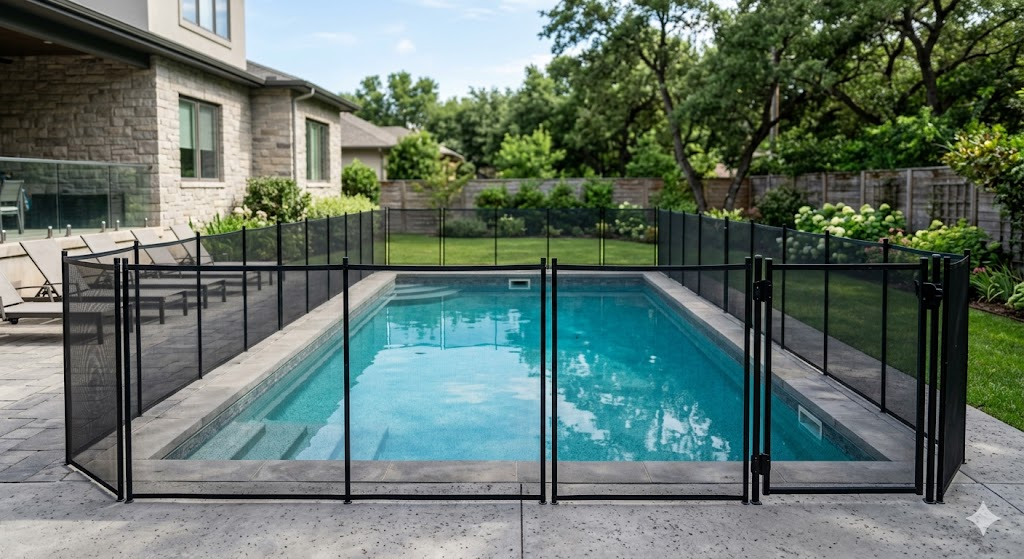
The Changing Vision for Austin Backyards
Austin homeowners are increasingly treating their backyards as extensions of the architecture of their homes rather than simply placing a swimming pool in an open area. This shift is changing the way residential outdoor spaces are planned, particularly as homeowners look for designs that feel intentional, sophisticated, and connected to the overall property. Traditional rectangular pools still have a place in residential design, but they are no longer the only option for homeowners who want a distinctive outdoor environment. More property owners are exploring geometric variations, sculptural shapes, integrated features, and custom layouts that respond to the architecture of their homes. The result is a backyard that feels designed as a complete environment instead of looking like a house with a pool added afterward. For homeowners considering a new swimming pool, this architectural approach can create a more visually cohesive and personalized outdoor living experience.
Why the Rectangle Is No Longer the Default
The rectangular pool became popular because its straightforward shape works efficiently in many yards and provides a practical swimming area for families. However, modern homeowners often have more specific goals than simply creating a designated place to swim. They may want the pool to frame a patio, complement a contemporary home, create visual separation between outdoor spaces, or work around existing landscaping and property features. A rigid rectangle can sometimes limit these possibilities because it prioritizes a single shape rather than responding to the characteristics of the entire backyard. Architectural pool design takes a different approach by considering how the water interacts with walls, terraces, landscaping, outdoor kitchens, seating areas, and the home’s existing lines. This creates opportunities for a backyard design that feels more integrated, deliberate, and distinctive.
Pool Shapes That Respond to the Architecture
One of the most important changes in contemporary pool design is the willingness to use shapes that respond directly to the architecture of the property. A pool might incorporate strong geometric lines that mirror the angles of a modern home, while another design might use carefully controlled curves to soften a property dominated by straight architectural elements. L-shaped configurations can create separate swimming and lounging zones while fitting more naturally into certain backyard layouts. Narrow linear pools can work particularly well alongside modern homes where the goal is to create a strong visual axis extending from the interior toward the landscape. More complex custom shapes can also wrap around outdoor structures or create transitions between different functional areas. The objective is not simply to make a pool unusual, but to make its form meaningful within the overall design of the property.
Creating a Strong Connection Between Home and Pool
An architectural backyard becomes much more successful when the pool appears to belong to the home rather than existing as an isolated feature. This connection can be established through repeated materials, complementary colors, consistent geometry, and carefully planned sightlines. For example, architectural lines from a home’s windows, walls, terraces, or roof structure can influence the positioning and orientation of the pool. Decking materials can then create a visual transition between the house and water while maintaining a consistent design language throughout the property. When these elements are planned together, moving from the interior living space into the backyard can feel like entering another room rather than stepping into a separate recreational area. We approach pool planning with this broader relationship in mind because the strongest outdoor designs consider the house, pool, hardscape, and landscape as parts of one composition.
Geometric Pools With More Than One Purpose
Modern pool design is increasingly focused on creating multiple experiences within the same footprint. Instead of using the entire pool for swimming, homeowners can incorporate shallow lounging areas, tanning ledges, integrated benches, steps, and separate zones for relaxation. A carefully designed geometric pool can make these different areas feel intentional without requiring a collection of disconnected features. Changes in depth and elevation can also add architectural character while creating practical spaces for different activities. This approach can be especially useful for homeowners who want their backyard to support entertaining, quiet relaxation, exercise, and family recreation. By designing around these uses from the beginning, the pool becomes a multifunctional architectural element rather than simply a large body of water.
Negative Space Is Becoming Part of Pool Design
One of the more sophisticated principles appearing in contemporary backyard design is the use of negative space. Rather than filling every available portion of a backyard with hardscape, furniture, landscaping, and water, designers can intentionally leave areas open to create balance. This can make the pool feel more prominent while preventing the overall environment from becoming visually crowded. Open spaces around a pool can also improve movement between the house, patio, landscaping, and outdoor entertaining areas. The shape of the empty space can be just as important as the shape of the water because both contribute to the composition of the backyard. Austin homeowners seeking a more architectural aesthetic are increasingly recognizing that restraint can be just as powerful as adding more features.
Integrating Water Features Into the Architecture
Water features can also be designed as architectural components rather than decorative additions. Raised walls, narrow spillways, linear waterfalls, and integrated fountains can reinforce the geometry of a pool while creating movement and sound within the backyard. A raised water wall can provide a strong vertical element that contrasts with a horizontal pool surface, while a precisely positioned spillway can connect different levels of the design. These features can also create visual focal points from interior rooms, covered patios, or outdoor seating areas. When incorporated into the original design, water movement can appear to emerge naturally from the architecture instead of looking like an accessory attached to the pool. This level of integration allows homeowners to create a more refined outdoor environment with a strong visual identity.
Infinity Edges and Vanishing Lines
Infinity edge pools are another example of how swimming pools can become architectural statements. The disappearing edge can visually extend the water toward the surrounding landscape, creating a sense of depth and continuity. This effect can be particularly striking when the pool is positioned to take advantage of a natural slope, distant view, or carefully framed section of the property. However, an infinity edge does not need to be used simply because it is visually impressive. Its success depends on proper placement, surrounding architecture, water management, and the relationship between the pool and the available views. When those factors align, the edge can transform an ordinary backyard perspective into a highly intentional architectural composition.
Material Selection Matters as Much as Shape
The shape of a pool establishes its basic geometry, but materials determine much of its visual character. Modern Austin backyards can combine natural stone, porcelain surfaces, concrete, tile, wood-look materials, and carefully selected coping to create different architectural moods. The surrounding patio should complement the pool rather than compete with it, especially when the pool itself has a complex form. Material transitions can also be used to visually divide areas for dining, lounging, swimming, and landscaping without requiring physical walls. Consistency between exterior materials and the finishes already used on the house can strengthen the connection between indoor and outdoor spaces. The right combination can make even a relatively simple pool design feel highly customized and architecturally sophisticated.
Designing Around Outdoor Living
The modern backyard is increasingly expected to function as a complete outdoor living environment. Homeowners may want their pool area to connect with covered patios, outdoor kitchens, fire features, dining spaces, lounge areas, and landscaped zones. This means pool placement should be considered in relation to how people will actually use the backyard throughout the day. A pool that looks attractive from one angle may not work well if it blocks movement between important outdoor spaces or leaves insufficient room for entertaining. Architectural planning helps establish a hierarchy between these elements so that each feature has a clear purpose. Our work focuses on creating outdoor environments where the pool contributes to the entire lifestyle of the property rather than becoming the only feature that receives attention.
Making Smaller Backyards Feel More Intentional
Architectural pool design is not limited to large properties. In fact, carefully shaped pools can be particularly valuable in smaller Austin backyards because they allow homeowners to use limited space more efficiently. A narrow pool can create a strong visual line without consuming the entire yard, while a compact geometric design can incorporate seating or shallow water features without requiring a traditional full-size rectangle. Strategic placement can preserve room for landscaping and outdoor furniture while still giving the backyard a substantial water feature. In some cases, a smaller pool with a highly considered design can appear more luxurious than a larger conventional pool. The key is to make every part of the available space contribute to the overall composition.
Landscaping Becomes Part of the Architectural Composition
Landscaping can dramatically influence how an architectural pool is perceived. Planting beds can soften hard geometric lines, while carefully positioned trees and ornamental plants can frame the water and create privacy. At the same time, landscaping should not obscure the architectural qualities that make the pool distinctive. The relationship between plants, retaining walls, decking, and water can create layers of texture and depth across the backyard. Austin’s climate also makes plant selection an important consideration because landscape choices need to work with local growing conditions and the property’s maintenance expectations. When landscaping is designed alongside the pool, the result can feel more natural, balanced, and connected to its surroundings.
Lighting Enhances the Architecture After Sunset
Pool lighting has evolved beyond simply illuminating the water for safety and visibility. Carefully positioned lighting can emphasize walls, steps, landscaping, water movement, architectural lines, and changes in elevation after dark. Subtle illumination can make a geometric pool appear almost sculptural at night while allowing the surrounding outdoor living areas to remain comfortable and inviting. Lighting can also establish different visual zones, helping a backyard transition from daytime recreation to evening entertaining. The most successful approach avoids making every feature equally bright and instead uses light to establish depth and hierarchy. This is particularly important when the pool has architectural details that homeowners want to remain visually prominent after sunset.
Customization Is Driving the Shift
The growing interest in architectural pool design ultimately reflects a broader demand for customization. Homeowners are increasingly looking for outdoor spaces that reflect the character of their homes, their personal preferences, and the way they actually live. A standardized pool shape may provide a functional solution, but a custom design can respond to the property’s dimensions, architecture, landscape, views, and entertaining needs. This does not necessarily mean creating an extremely complicated pool with numerous features. Sometimes the most effective architectural designs rely on a few carefully chosen elements that work together with precision. Renaissance Pools helps homeowners explore these possibilities by treating the pool as part of a larger residential design rather than as an isolated installation.
Choosing an Architectural Direction That Will Last
Trends can influence homeowners when they begin planning a backyard renovation, but architectural design should ultimately be based on principles that remain attractive over time. Strong proportions, thoughtful material combinations, functional circulation, and a clear relationship between the house and pool are more durable than short-lived decorative trends. A custom pool should also make sense for the property’s scale so that it does not overwhelm the architecture or leave the surrounding yard feeling unfinished. The best designs balance visual impact with practical considerations such as maintenance, usability, privacy, and long-term enjoyment. Homeowners should therefore consider how the backyard will function several years from now rather than designing solely around what is popular at the moment. A well-planned architectural pool can remain a defining feature of a property for many years when its design is rooted in the character of the home.
The Future of Austin Pool Design
Austin’s residential landscape continues to evolve, and homeowners are becoming more sophisticated about the way outdoor spaces contribute to the value and experience of their properties. The movement away from conventional rectangular pools is not about abandoning simple designs, but about giving homeowners more freedom to create spaces that respond to architecture and lifestyle. Custom geometry, integrated water features, layered materials, outdoor living zones, landscaping, and lighting can work together to create a cohesive backyard environment. As more homeowners recognize the potential of their outdoor spaces, pools are increasingly being treated as architectural elements that influence the entire property. This approach creates opportunities for designs that are distinctive without sacrificing functionality. For homeowners ready to move beyond a conventional pool concept, an architectural approach can provide the foundation for a backyard that feels intentional, highly personalized, and genuinely connected to the home.