
Inground Pools Austin: Comparing Concrete, Fiberglass, and Vinyl Options
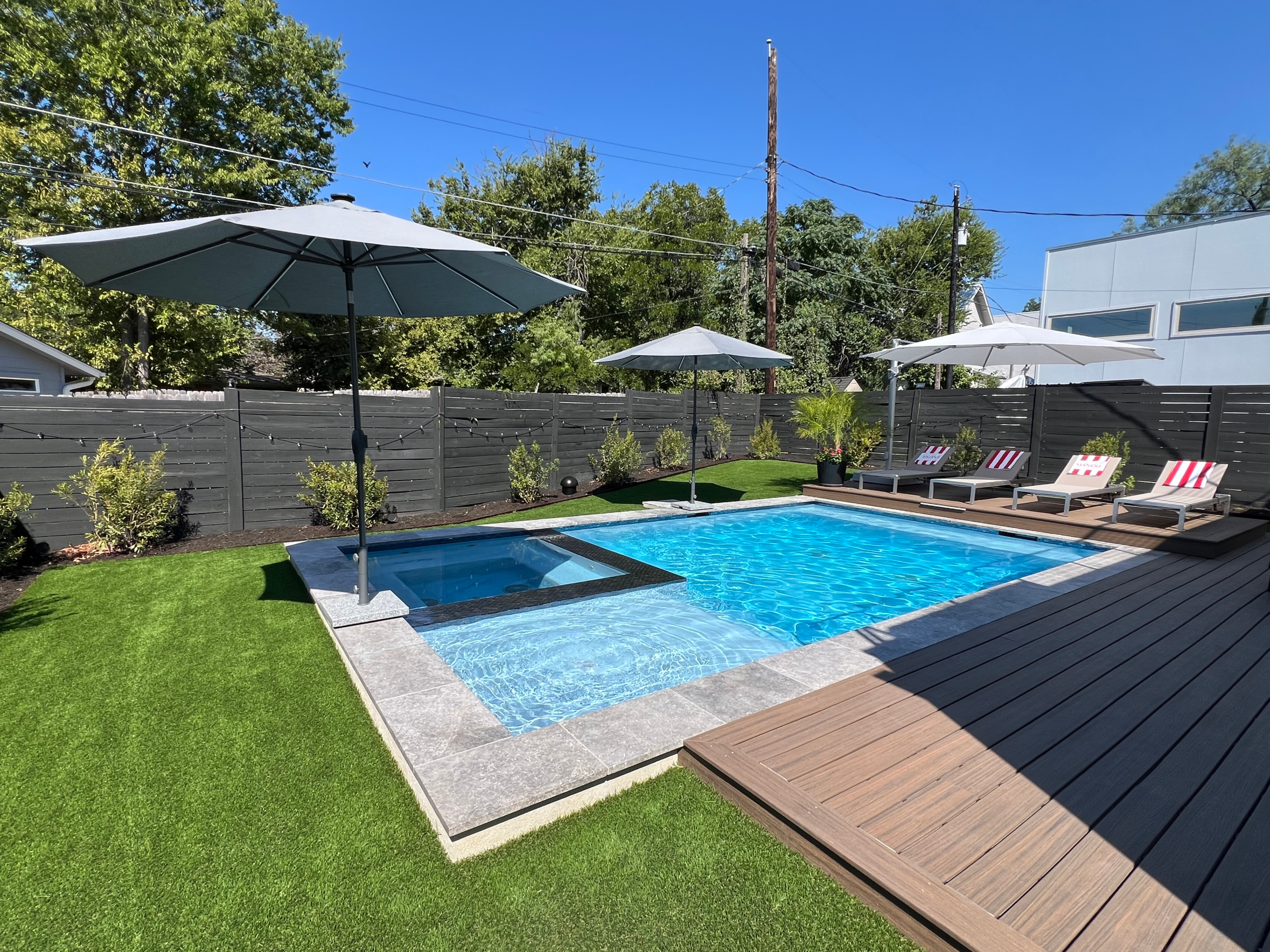
Creating a backyard pool is one of the most exciting investments a homeowner can make. In Austin, where warm temperatures and outdoor living are part of everyday life, an inground pool can transform a property into a private retreat for relaxation, entertainment, and family fun.
One of the most important decisions during the planning process is selecting the right pool material. Concrete, fiberglass, and vinyl pools each offer unique advantages, costs, maintenance requirements, and design possibilities. Understanding the differences can help homeowners choose a pool that aligns with their lifestyle, budget, and long-term goals.
At Renaissance Pools, we guide homeowners through every stage of pool planning and construction, helping them make informed decisions that deliver lasting value.
Why Pool Material Matters
The material used to build an inground pool affects much more than appearance. It influences installation timelines, maintenance needs, durability, customization options, and overall ownership costs.
Austin homeowners often face unique considerations such as intense summer heat, changing soil conditions, and the desire for outdoor spaces that blend seamlessly with landscaping and entertainment areas. Selecting the right pool structure helps ensure years of enjoyment while minimizing future complications.
Understanding Concrete Pools
Concrete pools have long been considered the premium option for custom pool construction. Built on-site using reinforced concrete, these pools offer virtually unlimited design flexibility.
Homeowners can create unique shapes, custom depths, tanning ledges, waterfalls, spas, beach entries, and intricate architectural features that perfectly complement their outdoor environment.
Advantages of Concrete Pools
The biggest advantage of concrete is customization. Because the pool is constructed from scratch, nearly any design concept can become reality. This makes concrete pools particularly attractive for luxury properties and homeowners seeking a completely personalized backyard experience.
Concrete pools are also extremely durable. When properly maintained, they can last for decades while retaining their structural integrity.
Their flexibility allows for complex designs that integrate seamlessly with outdoor kitchens, fire features, patios, and landscaping elements.
Considerations for Concrete Pools
Concrete pools generally require the longest construction timeline. Since they are built entirely on-site, installation may take several months depending on project complexity and weather conditions.
Maintenance requirements are also higher compared to other pool types. The porous surface can encourage algae growth, requiring more frequent cleaning and chemical balancing.
Initial construction costs are often higher due to labor, materials, and customization capabilities. However, many homeowners consider the investment worthwhile because of the unmatched design freedom.
Exploring Fiberglass Pools
Fiberglass pools have become increasingly popular among Austin homeowners due to their quick installation process and low maintenance requirements.
These pools are manufactured in a controlled factory environment and delivered to the property as a finished shell. Once the excavation is completed, the shell is placed into position and connected to the necessary systems.
Advantages of Fiberglass Pools
One of the most appealing benefits of fiberglass pools is installation speed. In many cases, homeowners can enjoy their new pool within weeks rather than months.
The smooth, non-porous surface naturally resists algae growth, reducing cleaning efforts and lowering chemical usage. This makes fiberglass pools easier and less expensive to maintain over time.
Fiberglass surfaces are also comfortable underfoot and less abrasive than concrete finishes. Many families appreciate the smooth texture, especially for children who spend extended periods swimming and playing.
Another benefit is energy efficiency. Fiberglass pools tend to retain heat more effectively, helping reduce heating costs during cooler months.
Considerations for Fiberglass Pools
While fiberglass pools offer many advantages, they come in predetermined shapes and sizes. Although manufacturers provide a wide range of options, customization opportunities are more limited compared to concrete construction.
Transportation can also influence available choices. Very large or highly customized pool designs may not be feasible due to delivery constraints.
For homeowners who prioritize unique architectural designs, fiberglass may not provide the same level of creative freedom.
Examining Vinyl Pools
Vinyl liner pools consist of a steel, polymer, or concrete frame covered by a vinyl liner that holds the water. They are often selected for their affordability and design flexibility.
Although less common in some regions, vinyl pools continue to attract homeowners looking for a cost-effective solution.
Advantages of Vinyl Pools
The most significant advantage of vinyl pools is their lower initial cost. For homeowners working within a specific budget, vinyl can provide an attractive entry point into pool ownership.
The liner surface feels smooth and comfortable, creating a pleasant swimming experience. Vinyl pools also offer flexibility in shape and layout, allowing homeowners to create customized designs without the higher costs associated with concrete construction.
Installation timelines are generally shorter than concrete pools, helping families begin enjoying their outdoor space sooner.
Considerations for Vinyl Pools
The primary drawback of vinyl pools is liner replacement. Over time, exposure to sunlight, chemicals, and normal wear can cause liners to deteriorate. Most liners eventually require replacement, creating an additional long-term expense.
Vinyl surfaces can also be susceptible to punctures or tears if sharp objects come into contact with the liner.
While modern vinyl pools are durable, they typically do not match the lifespan of well-maintained concrete or fiberglass pools.
Comparing Maintenance Requirements
Maintenance is a major consideration when selecting an inground pool.
Concrete pools generally require the most maintenance due to their porous surfaces. Regular brushing and vigilant chemical management help prevent algae growth and maintain water quality.
Fiberglass pools are often considered the easiest to maintain. Their smooth surfaces naturally resist algae, reducing cleaning frequency and chemical demand.
Vinyl pools fall somewhere in between. The smooth liner helps discourage algae, but homeowners must monitor the condition of the liner and protect it from damage.
For busy homeowners seeking a low-maintenance solution, fiberglass frequently stands out as the most convenient option.
Comparing Long-Term Costs
While initial construction costs are important, evaluating lifetime ownership expenses provides a more complete picture.
Concrete pools often involve higher upfront costs and increased maintenance expenditures. However, their durability and customization potential can deliver substantial long-term value.
Fiberglass pools typically offer a balance between installation cost and ongoing maintenance savings. Reduced chemical use and easier upkeep can lower ownership expenses over time.
Vinyl pools generally feature the lowest initial cost but may require periodic liner replacement, which should be factored into long-term budgeting.
A comprehensive cost evaluation should include construction, maintenance, repairs, energy usage, and future renovations.
Which Pool Type Is Best for Austin Homeowners?
The ideal choice depends on individual priorities.
Homeowners seeking complete customization and luxury design flexibility often find concrete pools to be the best fit.
Those who prioritize fast installation, easy maintenance, and long-term efficiency frequently prefer fiberglass pools.
Families looking for a more budget-conscious option with flexible design possibilities may choose vinyl pools.
Austin’s climate supports all three pool types, making personal preferences and long-term goals the most important deciding factors.
Making the Right Investment
An inground pool is more than a backyard feature. It becomes a gathering place for family celebrations, summer entertainment, exercise, and relaxation. Choosing the right construction material ensures that the pool continues to meet expectations for years to come.
At Renaissance Pools, we help homeowners evaluate every aspect of pool ownership, from design preferences and maintenance expectations to budget considerations and property requirements. Our experience allows us to create solutions tailored to each family’s vision and lifestyle.
Whether you are considering concrete, fiberglass, or vinyl construction, working with knowledgeable professionals can simplify the decision-making process and help maximize the value of your investment. Renaissance Pools is committed to delivering exceptional craftsmanship and personalized guidance so homeowners can confidently create the backyard oasis they have always envisioned.