
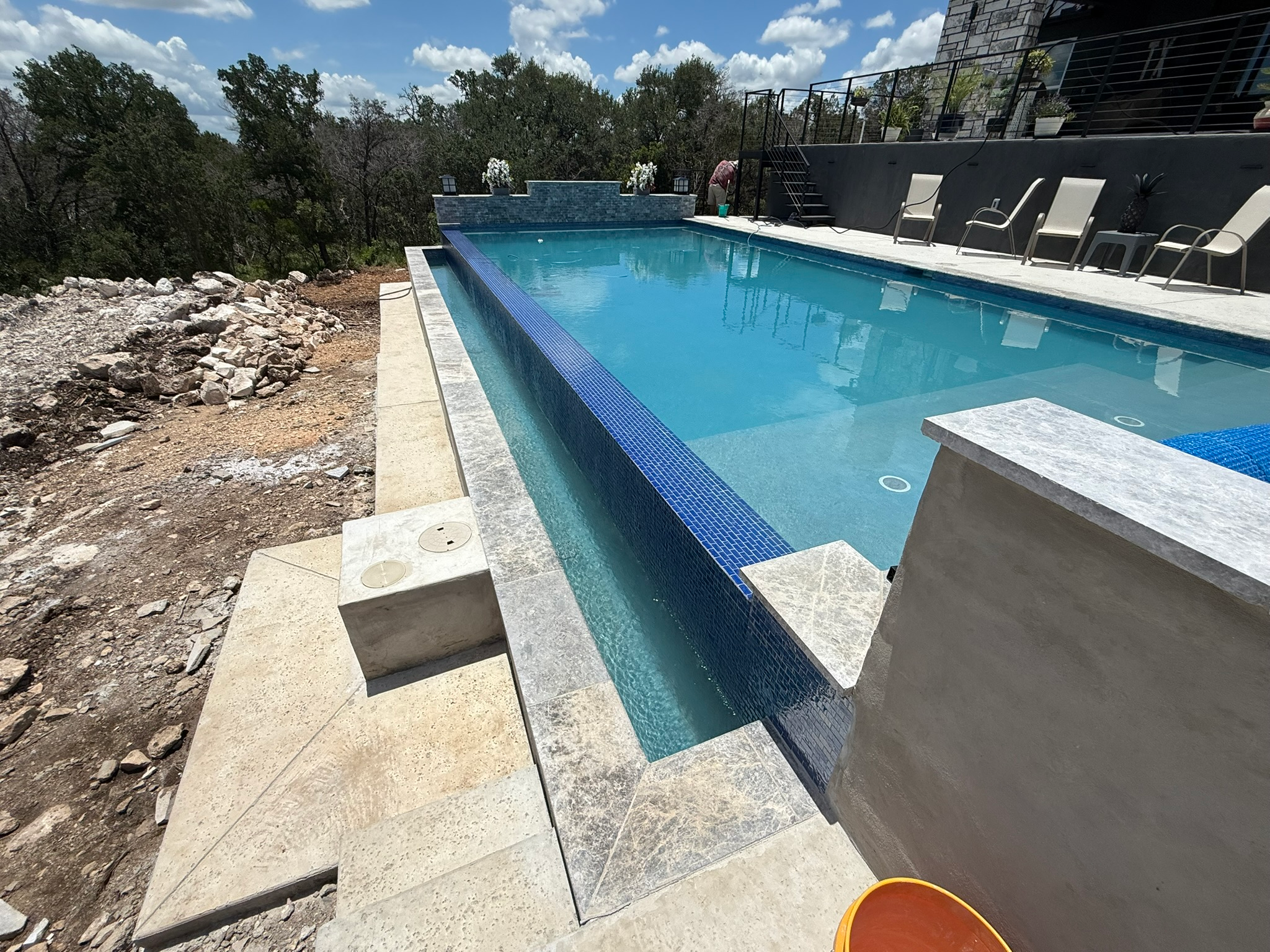
Pool Construction in Austin: Heat-Resilient, Limestone-Ready Backyard Engineering for Modern Texas Living
Austin is not a conventional pool market. It is a high-heat, limestone-heavy, clay-shifting environment where standard pool design approaches often underperform over time. Successful pool construction here requires more than aesthetics. It requires geological adaptation, thermal strategy, and precision engineering tailored to Central Texas conditions.
At the center of this performance-driven approach, Renaissance Pools focuses on building pools that are structurally resilient, thermally efficient, and visually aligned with modern Austin outdoor living standards.
This article explores how advanced pool construction in Austin is evolving into a discipline that blends architecture, geology, and climate-responsive engineering.
Understanding Austin’s Subsurface Reality
Pool construction in Austin begins below ground, not above it. The region’s soil profile is one of the most challenging in the United States for structural excavation.
Key conditions include:
• Expansive clay soils that swell when wet and contract during drought
• Dense limestone strata requiring mechanical excavation techniques
• High water table variability in certain neighborhoods
• Seasonal thermal expansion affecting structural stability
These conditions directly influence shell integrity, plumbing alignment, and long-term durability. A pool that is not engineered for soil movement in Austin will eventually develop stress fractures or surface displacement.
This is why site evaluation is not optional. It is a foundational engineering step that determines the entire construction methodology.
Heat-Responsive Pool Design in a 40°C Climate
Austin summers regularly exceed 100°F, which significantly impacts both water temperature and material behavior.
Modern pool construction must address:
• Surface heat absorption on decking materials
• Water temperature stabilization without excessive chemical dependence
• UV degradation resistance in finishes and sealants
• Energy efficiency in circulation and filtration systems
Light-reflective interior finishes, strategic shading integration, and circulation optimization are no longer luxury features. They are functional requirements for usability during peak summer months.
Thermal planning now plays a role similar to structural engineering in determining long-term pool satisfaction.
Engineering-First Construction Methodology
A high-performance pool is built through controlled sequencing rather than rapid installation.
The construction lifecycle typically includes:
1. Geotechnical evaluation and soil classification
2. Precision excavation with limestone cutting where required
3. Steel reinforcement grid design for soil movement tolerance
4. Plumbing layout optimization for hydraulic efficiency
5. Shotcrete or gunite application under controlled conditions
6. Waterproofing, curing, and structural stress testing
7. Finish application and system calibration
Each stage is dependent on the accuracy of the previous one. Errors in early-stage grading or reinforcement design cannot be corrected later without significant structural compromise. At this stage of execution, Renaissance Pools integrates engineering oversight into every phase to ensure long-term performance consistency under Austin’s environmental stress conditions.
Material Selection for Long-Term Structural Stability
Material science plays a critical role in modern pool construction in Austin.
The most effective systems typically include:
• Reinforced shotcrete shells for superior compressive strength
• Flexible PVC or high-grade polyethylene plumbing systems
• Mineral-based interior finishes for heat reduction and durability
• Travertine or heat-rated composite decking surfaces
• Corrosion-resistant fittings for chemical and environmental exposure
Material incompatibility is one of the leading causes of early pool degradation. Matching expansion rates, chemical resistance, and thermal behavior is essential for structural harmony.
Why Engineering Precision Matters in Austin Pool Projects
Homeowners in Austin are increasingly viewing pools as long-term architectural assets rather than seasonal amenities. This shift demands higher construction standards and more rigorous technical planning.
Renaissance Pools applies a methodology that prioritizes:
• Structural longevity over rapid completion
• Climate adaptation over generic design templates
• Hydraulic efficiency over oversized mechanical systems
• Geological compatibility over aesthetic shortcuts
This engineering-first mindset ensures that the finished pool performs consistently across seasonal temperature extremes and soil movement cycles.
Hydraulics, Filtration, and Water Quality Optimization
Beyond structure, internal water dynamics define daily usability.
Modern systems focus on:
• Balanced turnover rates to prevent stagnation
• Variable-speed pump integration for energy efficiency
• Advanced filtration systems that reduce chemical dependency
• Optimized return jet placement for uniform circulation
Proper hydraulic design reduces maintenance overhead while improving water clarity and temperature consistency.
Outdoor Integration and Landscape Continuity
In Austin, pools are rarely standalone features. They are part of a broader outdoor living ecosystem.
Effective integration includes:
• Seamless transitions between decking and natural terrain
• Native Texas landscaping for heat resistance and water efficiency
• Strategic lighting for night usability and visual depth
• Built-in seating, ledges, and shade structures for usability expansion
A well-integrated pool enhances property value by extending usable living space rather than simply adding water volume.
Long-Term Maintenance Strategy
Sustainable pool performance depends on predictable maintenance cycles.
Key practices include:
• Seasonal inspection of structural joints and tile lines
• Calibration of chemical balance during temperature shifts
• Pump and filtration servicing at defined intervals
• Surface cleaning protocols to prevent mineral scaling
Preventative maintenance significantly reduces long-term repair costs and preserves material integrity under Austin’s demanding climate conditions.
Conclusion: Engineering the Austin Backyard of the Future
Pool construction in Austin is no longer a simple landscape upgrade. It is a specialized form of environmental engineering that must account for heat, soil instability, and long-term structural movement.
When properly executed, a pool becomes a stable architectural feature that enhances both lifestyle and property value for decades.
In this evolving landscape of high-performance outdoor design, Renaissance Pools represents a construction philosophy centered on precision, durability, and climate-adaptive engineering principles that define the next generation of Austin pools.